
Finding suitable residential care for an adult with a learning disability is an important decision.
Families, social workers and commissioners must consider the person’s needs, the support available and whether the environment is appropriate.
However, another important consideration is often how well a residential service can provide stability over time.
For someone who may live in residential care for many years, continuity and familiarity can become particularly valuable.
Building a Life, Not Just Meeting Immediate Needs
Residential care is not always a short-term arrangement.
For many adults with learning disabilities, it provides a long-term home where they establish routines, develop relationships and become familiar with their surroundings.
This means decisions about residential support should consider more than someone’s immediate requirements.
It is also important to think about how the environment may support their wellbeing and everyday life over the coming years.
The Value of Familiar Relationships
Relationships develop through time and shared experiences.
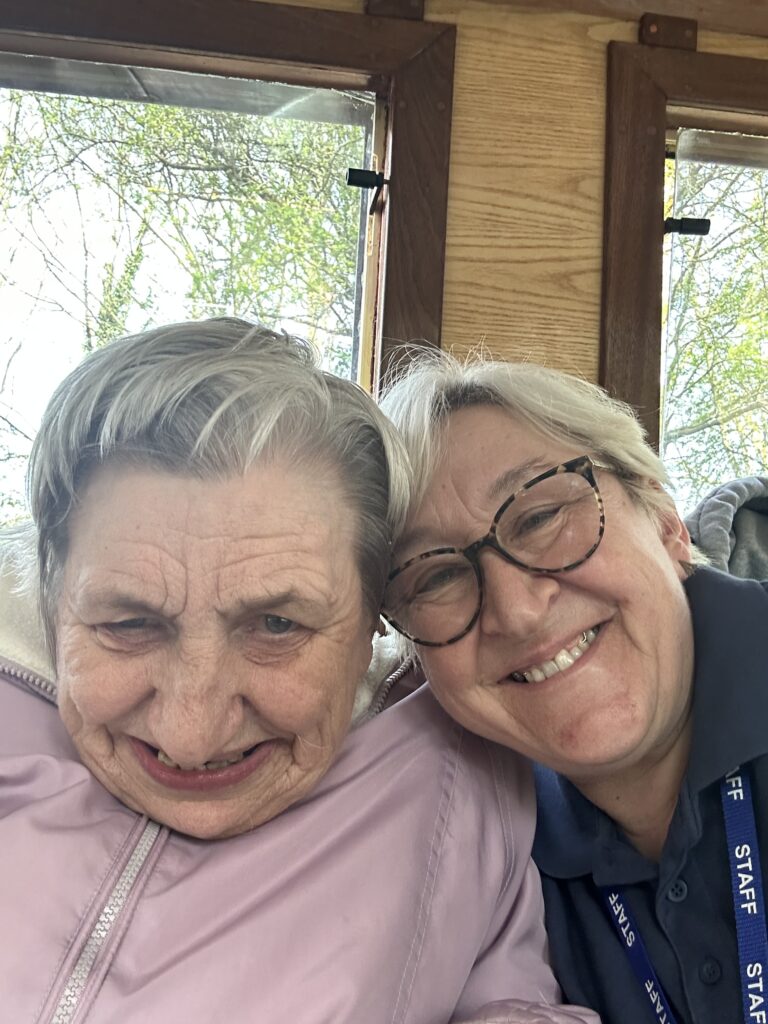
When someone lives in the same residential setting for many years, they may develop strong connections with the people around them.
Staff can become familiar with an individual’s preferences, communication style and everyday routines.
Residents may also develop friendships and a sense of belonging within the home.
These relationships can contribute to a stable and supportive environment.
Understanding Changing Needs
A person’s support requirements may change over time.
Ageing, changes in health or developments in personal circumstances can all affect the assistance someone needs.
Long-term residential support therefore requires an individual approach that recognises these changes.
Regular reviews, appropriate communication and involvement from relevant professionals can help ensure support continues to reflect the person’s circumstances.
Stability should not mean that care remains unchanged when someone’s needs develop.
Instead, it should provide a familiar foundation from which appropriate adjustments can be considered.
An Established Residential Environment
Chrislyn House has been providing residential care for people with learning disabilities for more than 40 years.
Some residents have lived at the home for more than 30 years, reflecting the long-term nature of the support it has provided.
This history is an important part of Chrislyn House’s identity.
The home works with healthcare professionals and social workers to support residents with a range of individual needs.
Looking Towards the Future
When considering a residential placement, families and professionals should explore how a service approaches long-term support.
Questions about continuity, changing needs and the involvement of families and professionals can help build a clearer picture.
At Chrislyn House, the emphasis is on providing an established residential environment where people can receive personalised support and participate in everyday life.
Because the right residential care should not only meet someone’s needs today. It should provide a foundation for stability, wellbeing and a meaningful life in the years ahead.