
When considering residential care for an adult with a learning disability, much of the attention naturally focuses on practical support.
Families and professionals want to know whether the person’s daily needs can be met, whether appropriate assistance is available and whether the environment is suitable.
These considerations are essential, but emotional wellbeing is equally important.
Feeling safe, valued, comfortable and understood can have a significant influence on someone’s everyday experience.
Recognising Emotional Needs
Everyone experiences a range of emotions.
Happiness, frustration, excitement, worry and disappointment are all part of everyday life.
For some people with learning disabilities, recognising or expressing these feelings may be more difficult.
An individual might not always be able to explain why they feel anxious or upset.
Changes in behaviour, withdrawal from activities or differences in usual routines may sometimes indicate that something is troubling them.
Understanding the individual is therefore important when recognising possible emotional needs.
The Importance of Feeling Secure
A supportive residential environment should provide more than physical safety.
People also need to feel emotionally secure.
Familiar surroundings, respectful relationships and predictable routines can help create a sense of reassurance.
Knowing that someone will listen, offer support and take concerns seriously can make a meaningful difference.
This is particularly important for individuals who may need additional assistance communicating their feelings.
Supporting Confidence and Self-Esteem
Emotional wellbeing is also connected to how people feel about themselves.
Being encouraged to participate in activities, make decisions and recognise personal achievements can help develop confidence.
Equally, individuals need to feel accepted when they find something difficult.
Not every activity will go as planned, and progress may happen gradually.
Providing reassurance and encouragement can help people approach new experiences without feeling pressured.
Understanding Individual Preferences
What supports one person’s emotional wellbeing may be different for someone else.
Some individuals enjoy regular social interaction, while others need quieter periods throughout the day.
One resident may find music relaxing, while another prefers spending time outdoors or following a familiar activity.
Understanding these preferences helps support become more responsive to individual needs.
Emotional Wellbeing at Chrislyn House
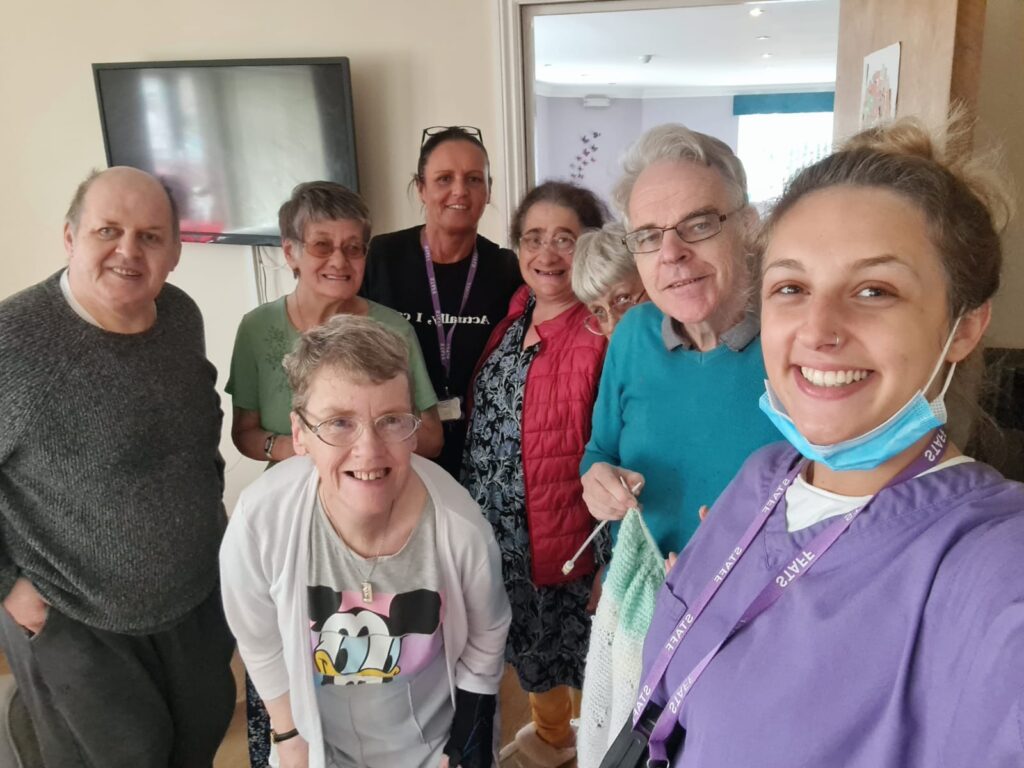
At Chrislyn House, residents receive personalised support within an established residential environment.
The home supports adults with learning disabilities and associated needs, recognising the importance of individual preferences, familiar routines and meaningful activities.
Its care support workers assist residents with everyday living while promoting their overall wellbeing.
For families and professionals, emotional wellbeing should remain an important consideration when choosing residential support.
Because good care is not only about meeting someone’s practical needs. It is also about helping them feel comfortable, respected and valued in everyday life.